Skip to content

slonik.me

  • home
  • photos
  • blog
  • now
  • uses
  • todo
  • projects
  • about
  • The last democracy

    Júlia stared at the pill bottle on the bathroom floor. The pills had scattered everywhere, but something bothered her: every single one had landed white side up. Every single one. A statistically impossible coincidence, as if some law had broken right there on the cold tile. She hadn’t slept properly in three days,
    digging into Orch-OR theory with the skepticism of someone who had to publish or perish. Microtubules. Quantum consciousness. A strange idea that had picked up an irritating amount of momentum in recent months.

    She focused. Not because she wanted to, but because exhaustion pushed her into mental states as sharp as blades. She stared at the empty bottle and thought: I want them all to land the other way. She picked up the pills and threw them again. They all landed blue side up. Her heart leapt, and it wasn’t a metaphor.

    Over the following months, her lab isolated the effect. Neurons in states of extreme focus changed the decay rate of subatomic particles. It wasn’t magic, it
    was physics. The microtubules inside brain cells entered quantum coherence and pulled reality one way or the other. Probability was a muscle, and some people had started working out.

    The problem started small. A roulette player at a casino in Curitiba broke the bank three nights in a row. Then a stockbroker who seemed to predict the
    unpredictable. Soon hospitals noticed something: terminal patients with access to certain meditation techniques came back with benign biopsies, while others,
    without the same resources, died right on schedule. Randomness, until then the great equalizer, the last democracy, was no longer blind.

    The courts no longer knew what to do with alibis. Chance was no longer innocent. If a million people focused on the outcome of a game, reality gave way. If an online group agreed to focus on a market crash, the market crashed. The universe, which had always gone about its business indifferently, was now a silent referendum, and not everyone got a vote.

    Júlia looked out her office window. August in Curitiba, the dead of the southern winter. The cold made people hunch over on the sidewalks, hunting for warmth.
    She thought of Rodrigo, a friend who once said that sometimes he woke up in another universe. Maybe he’d been right. Maybe now we all woke up, every morning, in slightly different universes, depending on how hard we’d concentrated the night before. And the problem unfolding was simple and terrible: in a world where chance could be bent, the only thing you still couldn’t control was other people’s will.

    And that, she knew, was the price.

    The price was the end of unpredictability as a right. Chance had been the last common ground. Now whoever had money bought neuro-amplifiers, assisted quantum coherence sessions, professional meditators who whispered decay directions. Whoever didn’t was left out in the rain. Literally: insurers stopped paying out. The policies had act-of-God clauses that never anticipated acts of mind. A fire, a lightning strike, an epidemic: all of it was now open to argument. If a million focused people didn’t want rain, it didn’t rain. If a company knew the right people and paid them to make a competitor fail, the competitor failed.

    Júlia got a visit. A prosecutor from the Public Prosecutor’s Office. There was no crime on the books, but there was outrage. She explained for the tenth time
    that this wasn’t telepathy or magic. It was physics. Quantum statistics applied to biological systems. But the prosecutor wanted someone to blame. He wanted to
    know who had “concentrated” to bring down the plane. Or who had “focused” to make the other team lose. The law had no name for it. It was still August, and the
    cold crept in through the lab window. She thought about the pills on the floor. All of them turned the other way. The universe had obeyed. Why? Because she was
    tired, angry, hungry for publication, and all that tension had found an outlet in the fabric of reality.

    Rodrigo showed up at the lab. He’d come from a bar, he said. He brought a bottle of cheap wine and the face of someone who’d been trying hard not to think. She
    told him everything. He listened, then said:

    “So you’re telling me whoever has the best-trained neurons wins.”

    “It’s not just training. It’s specific neuroplasticity, epigenetics, maybe even natural selection on fast-forward. But basically, yes. Whoever can focus, or can
    pay for focus, wins.”

    Rodrigo stared at the bottle.

    “That changes everything.”

    “It already has.”

    “So now what? What do we do?”

    Júlia didn’t answer right away. Outside, the sound of cars. Same as always, except now she wondered whether one of those engines would fail because someone, somewhere, needed it to. A new kind of murder. Or of suicide: people who realized they had no power, no access to monetized concentration, started not wanting to exist anymore. Because life was random, and randomness was cruel, and now it was cruel and far more unfair.

    “We publish everything,” she said at last. “And give it to everyone.”

    Rodrigo laughed, without humor.

    “People have tried. Access isn’t equal. You can hand out the recipe, but you can’t make everyone cook.”

    She knew. The problem unfolding was that, in a world where will could alter matter, democracy needed a new axiom. And nobody knew what it was.

    That night, as Curitiba dropped another degree, Júlia opened her laptop and began writing the paper she would publish without peer review, straight to the
    internet. The title was simple: Chance Is No Longer Neutral. She didn’t know whether it would change anything. Probably not. But it was what she had. Other
    people’s will. The one thing physics couldn’t tame. And, for now, the only thing that still seemed truly free.

    Júlia’s paper hit the internet the way a body hits the ground from a high enough floor. On the first day, silence. On the second, contempt. On the third, the
    video. An older woman from a mountain town upstate, shaky camera, showing a coin that came up heads whenever she asked for heads, and tails whenever she asked for tails. Then another video. Then another. Then a twelve-year-old changing the roll of a D&D die on a livestream. The top comment was simple: so it was real.

    The federal government called a meeting. Júlia was invited as an expert, which meant she spent four hours watching politicians talk about things they didn’t
    understand. A congressman asked whether concentration could be banned, the way crack is banned. A senator wanted to know if there was a chip that could block the effect. The economy minister, finally, asked the only honest question:

    “How much is this worth?”

    Nobody answered. Because the answer was everything. It was worth everything. Every market, every game, every hiring process, every stock exchange, every court. If randomness could be tugged to one side, every institution that rested on the impartiality of chance was built on quicksand.

    And the sand shifted fast.

    The first week after the paper, stock markets swung in ways the algorithms couldn’t explain. By the second, several sports had collapsed into brawls; nobody
    could tell whether a win was skill or the death of luck, and in doubt, ignorance was the only certainty. By the third, the Supreme Court attempted an injunction
    banning “the manipulation of probability in state-regulated activities,” and the text had to be rewritten five times because no one could define where the
    legitimate exercise of will ended and criminal manipulation began.

    Rodrigo came back to Júlia’s lab on a Saturday. No wine this time. Just his phone, thrust toward her in a hurry. He grabbed her arm and set the device on the
    bench.

    “Read this.”

    She read it. An article about a group in rural Paraná. A kind of commune that had decided to do the opposite of the rest of the world: instead of using
    concentration to win, they used it to keep chance fair. Hundreds of people focused not on an outcome, but on the absence of one. They meditated together so that no individual will would prevail. The article said the village had become an enclave of genuine randomness, and that it had set off a strange pilgrimage. Rich people went there to gamble. To suffer. To not know what would happen.

    “They call it God’s Casino,” Rodrigo said.

    “I read it.”

    “They say it’s the only place in the country where luck still exists.”

    Júlia leaned her head back against the chair. Outside, August was sliding into September without getting any better. Curitiba’s cold was the kind that seemed
    made to be overcome by willpower, and maybe now it was. She thought about the prosecutor. She thought about the pills on the bathroom floor. She thought about Adriano, about which universe he was in now, with what kind of power.

    “Do you want to go?” Rodrigo asked.

    She didn’t answer. Because the real question was a different one, and she didn’t yet have the nerve to put it into words: if everyone could control chance, who
    would choose not to? The commune in Paraná was an act of renunciation. And renunciation, she knew, had never been a political platform. It was a gesture. And
    gestures, however beautiful, don’t hold the world up.

    That night she dreamed of the woman’s coin. In the dream, the coin never landed. It just kept spinning in the air, heads and tails, heads and tails, the two
    faces blurring together, and in the middle of the spin she saw there was a third face, and the third face was hers.

    She woke with a start. Sucked in air. Let it all out at once. The bedroom window was cracked open, the wind howling the way it always howled in July and August,
    and she realized, with three-a.m. clarity, that there was no way to close it anymore.

    The cut was clean. The following Sunday, Congress passed the Probabilistic Integrity Act. The text was short, almost monastic. The conscious use of quantum
    coherence to alter outcomes in any economic, legal, athletic, or romantic activity constitutes a crime against the common good. The wording was crooked because
    it had to be. How do you define a romantic activity? Nobody knew. That’s what it said anyway, and it passed.

    The effect was immediate. Concentration became taboo. Not the romantic kind of taboo, the kind that tempts. The sanitary kind, the kind that repels. People who
    knew how to do it stopped doing it. Not because they feared prison, but because they feared being looked at that way. The same way nobody presses an ear to a
    bathroom door, nobody wanted to be the guy who bent chance in his own favor. A term started going around: cosmic cheater. Mostly in the plural. The cosmic
    cheaters.

    The commune in Paraná became the informal capital of something that didn’t have a name yet. People from all over the country, and then from all over the world, made the pilgrimage to watch a roulette wheel spin with no will built into it. Rodrigo was one of them. He came back three weeks later with an expression Júlia couldn’t read at first. Something between peace and defeat.

    “It’s weird,” he said, sitting on the lab bench. “You get there and suddenly you realize you’ve spent your whole life without ever feeling real chance. Everything was biased. Someone was always pulling.”

    “And now?”

    “Now, nothing. Now we learn not to pull.”

    Learning not to pull became an industry, the last of its kind. Unfocusing courses. Surrender therapy. Assisted-unpredictability retreats. The government funded
    certified-chance centers, where a person could go, sit down, and flip a coin knowing the universe wasn’t listening. Paulão, the android waiter who once served Rodrigo and Adriano their beer, was retrained. He was now a statistical neutrality technician. He still opened the bar, still served beer, still closed up at
    night. But somewhere in the middle there was a room full of dice, coins, and roulette wheels, and he made sure nothing in it obeyed anyone.

    Júlia watched it all with the particular feeling of someone who has struck a match in a room full of gas and then watched, from outside, as firefighters contained the explosion. The world hadn’t ended. It had just gotten quieter. More honest. Poorer in a kind of hope nobody had realized they had until it was outlawed.

    It was September. The cold was finally starting to let up, and Júlia was walking down a street in Curitiba when she felt it. She couldn’t describe it afterward. A kind of pressure in the air, as if reality had been pinched by something very large and very far away. She stopped in the middle of the sidewalk. A young woman coming the other way stopped too. They looked at each other.

    “Did you feel that?” the woman asked.

    Júlia nodded. There was nothing to say. The two nearest public neutrality sensors, mounted on the corner, were silent. But she knew. The woman knew. Somewhere, someone had concentrated. Someone had pulled. The law didn’t stop desire. The law only stopped desire from being seen.

    That night, in her apartment, Júlia opened the window and let the wind in. She thought about the third face of the coin in her dream. She thought about all the games that were honest now, and about all the people who had been honest their whole lives without knowing it and now had to be honest on purpose. The price. That was the price. The last democracy had been saved by the only thing that could save it: a ban on anyone ever truly winning.

    She closed her eyes. She didn’t focus on anything. She let sleep come the way sleep comes when you finally accept that tomorrow isn’t your responsibility.

    October 8, 2026
  • A última democracia

    Júlia encarou o frasco de comprimidos caído no chão do banheiro. Todos espalhados, mas algo a incomodava: estavam todos com a face branca para cima. Todos. Um acaso estatisticamente impossível, como se alguma lei tivesse quebrado ali na cerâmica fria. Ela estava há três dias sem dormir direito, pesquisando a teoria Orch-OR com o ceticismo de quem precisava publicar para não perecer. Microtúbulos. Consciência quântica. Uma ideia estranha que nos últimos meses ganhara um momentum irritante.

    Ela se concentrou. Não por vontade, mas porque a exaustão a empurrava para estados mentais afiados como lâminas. Encarou o frasco vazio e pensou: quero que caia tudo virado para baixo. Pegou o frasco, jogou os comprimidos. Caíram todos com a face azul para cima. O coração dela deu um salto que não era metáfora.

    Nos meses seguintes, o laboratório dela isolou o efeito. Neurônios em estados de foco extremo alteravam a taxa de decaimento de partículas subatômicas. Não era magia, era física. Os microtúbulos dentro das células cerebrais entravam em coerência quântica e puxavam a realidade para um lado ou para o outro. A probabilidade era um músculo, e algumas pessoas tinham começado a malhar.

    O problema começou pequeno. Um jogador de roleta em um cassino de Curitiba quebrou a banca três noites seguidas. Depois, um corretor da bolsa que parecia prever o imprevisível. Logo os hospitais notaram algo: pacientes terminais com acesso a certas técnicas de meditação voltavam com biópsias benignas, enquanto outros, sem os mesmos recursos, morriam no prazo previsto. A aleatoriedade, que até então fora a grande equalizadora, a última democracia, deixou de ser cega.

    Os tribunais não sabiam mais o que fazer com álibis. O acaso não era mais inocente. Se um milhão de pessoas se concentravam no resultado de um jogo, a realidade cedia. Se um grupo online combinava de se concentrar na queda do mercado, o mercado caía. O universo, que antes seguia seu curso indiferente, agora era um plebiscito silencioso, e nem todos tinham direito a voto.

    Júlia olhava pela janela do escritório. Agosto em Curitiba. O frio fazia as pessoas se encolherem nas calçadas, buscando calor. Ela pensou em Rodrigo, um amigo que uma vez disse que às vezes acordava em outro universo. Talvez ele estivesse certo. Talvez agora todos acordássemos, todas as manhãs, em universos ligeiramente diferentes, conforme o peso da nossa concentração da noite anterior. E o problema que se desdobrava era simples e terrível: num mundo onde se podia dobrar o acaso, a única coisa que ainda não se podia controlar era a vontade dos outros.

    E isso, ela sabia, era o preço.

    O preço era o fim da imprevisibilidade como direito. O acaso fora o último terreno comum. Agora, quem tinha dinheiro comprava neuro-amplificadores, sessões de coerência quântica assistida, meditadores profissionais que sussurravam direções de decaimento. Quem não tinha, ficava exposto à chuva. Literalmente: os seguros pararam de pagar. As apólices tinham cláusulas de força maior que não previam força mental. Um incêndio, um raio, uma epidemia, tudo isso era passível de argumentação. Se um milhão de pessoas concentradas não queriam chuva, não chovia. Se ums empresa conhecia as pessoas certas e as pagasse para que seu concorrente falhasse, o concorrente falhava.

    Júlia recebeu uma visita. Um advogado do Ministério Público. Não havia crime tipificado, mas havia indignação. Ela explicou pela décima vez que não se tratava de telepatia ou de mágica. Era física. Estatística quântica aplicada a sistemas biológicos. Mas o advogado queria culpados. Queria saber quem tinha “concentrado” para derrubar o avião. Ou quem tinha “focado” para o outro time perder. A lei não sabia nomear aquilo. Ainda era agosto e o frio entrava pela janela do laboratório. Ela pensou nos comprimidos no chão. Todos virados para baixo. O universo obedecera. Por quê? Porque ela estava cansada, com raiva, com fome de publicação, e toda aquela tensão encontrou um escape no tecido da realidade.

    Rodrigo apareceu no laboratório. Vinha de um bar, disse. Trouxe uma garrafa de vinho barato e uma cara de quem vinha tentando evitar pensar. Ela contou. Ele escutou, depois disse:

    • Então você está me dizendo que quem tem mais neurônios treinados vence o jogo?
    • Não é só treino. É neuroplasticidade específica, epigenética, talvez até seleção natural agora acelerada. Mas, no fundo, sim. Quem pode focar, ou pagar pelo foco, vence.

    Rodrigo encarou a garrafa.

    • Isso muda tudo.
    • Já mudou.
    • E agora? O que a gente faz?

    Júlia não respondeu de imediato. Lá fora, o barulho de carros. O mesmo de sempre, mas agora ela imaginava se algum daqueles motores falharia porque alguém, em algum lugar, precisava que falhasse. Uma forma nova de assassinato. Ou de suicídio: as pessoas que percebiam que não tinham poder, que não tinham acesso à concentração monetizada, começaram a não querer mais existir. Porque a vida era aleatória, e a aleatoriedade era cruel, e agora era cruel e muito mais injusta.

    • A gente publica tudo – disse ela, finalmente.
    • E dá para todo mundo.

    Rodrigo riu, sem graça.

    • Já tentaram. O acesso não é igual. A gente pode dar a receita, mas não dá para fazer todo mundo cozinhar.

    Ela sabia. O problema que se desdobrava era que, num mundo onde a vontade alterava a matéria, a democracia precisava de um novo axioma. E ninguém sabia qual era.

    Naquela noite, enquanto Curitiba esfriava mais um grau, Júlia abriu o notebook e começou a escrever o artigo que publicaria sem peer review, direto na internet. O título era simples: O acaso não é mais neutro. Ela não sabia se aquilo ia mudar alguma coisa. Provavelmente não. Mas era o que tinha. A vontade dos outros. A única coisa que a física não conseguia domesticar. E, por ora, a única coisa que ainda parecia verdadeiramente livre.

    O artigo de Júlia caiu na internet como um corpo cai de uma altura suficiente. No primeiro dia, silêncio. No segundo, reações de desprezo. No terceiro, o vídeo. Uma senhora de Campos do Jordão, câmera tremendo, mostrando uma moeda que caía sempre cara quando ela pedia cara, e coroa quando ela pedia coroa. Depois outro vídeo. Depois outro. Depois um garoto de doze anos alterando a rolagem de um dado de RPG em uma live. O comentário mais curtido era simples: então era verdade.

    O governo federal convocou uma reunião. Júlia foi chamada como especialista, o que significava que ela assistiu durante quatro horas a políticos falando de coisas que não entendiam. Um deputado perguntou se não dava para proibir a concentração, como se proíbe crack. Um senador quis saber se existia algum chip que bloqueasse o efeito. O ministro da economia, por fim, fez a única pergunta honesta:

    • Quanto isso vale?

    Ninguém respondeu. Porque a resposta era tudo. Valia tudo. Todo mercado, todo jogo, todo processo seletivo, toda bolsa de valores, todo tribunal. Se a aleatoriedade podia ser puxada para um lado, toda instituição que se sustentava na imparcialidade do acaso estava construída sobre areia movediça.

    E a areia se moveu rápido.

    Na primeira semana após o artigo, as bolsas oscilaram de uma forma que os algoritmos não conseguiam explicar. Na segunda, vários esportes descambaram em batalhas campais, ninguém sabia diferenciar se havia sido habilidade ou o fim da sorte, na dúvida a certeza da ignorância. Na terceira, o STF tentou uma liminar proibindo “manipulação de probabilidade em atividades reguladas pelo Estado” e o texto da liminar teve que ser reescrito cinco vezes porque ninguém sabia definir onde terminava o exercício legítimo da vontade e onde começava a manipulação criminosa.

    Rodrigo voltou ao laboratório de Júlia em um sábado. Não trazia vinho. Trazia afobado o celular apontando para ela. A puxou pelo braço e colocou o aparelho na bancada.

    • Leia isso.

    Ela leu. Uma matéria sobre um grupo no interior do Paraná. Uma espécie de comuna que havia decidido fazer o oposto do resto do mundo: em vez de usar a concentração para vencer, usavam-na para garantir que o acaso fosse justo. Centenas de pessoas, focadas não em um resultado, mas no não-resultado. Meditavam juntas para que nenhuma vontade individual prevalecesse. O artigo dizia que o vilarejo tinha se tornado um enclave de aleatoriedade genuína, e que isso havia gerado uma peregrinação estranha. Ricos iam lá para jogar. Para sofrer. Para não saber o que ia acontecer.

    • Chamam de Cassino de Deus – disse Rodrigo.
    • Eu li.
    • Eles dizem que é o único lugar do país onde a sorte ainda existe.

    Júlia encostou a cabeça na cadeira. Lá fora, agosto caminhava para setembro sem melhorar. O frio de Curitiba era o tipo que parecia feito para ser superado por vontade, e talvez fosse mesmo. Ela pensou no advogado do Ministério Público. Pensou nos comprimidos no chão do banheiro. Pensou em Adriano, em que universo ele estaria agora, com que tipo de poder.

    • Você quer ir? – perguntou Rodrigo.

    Ela não respondeu. Porque a pergunta verdadeira era outra, e ela ainda não tinha coragem de formular: se todo mundo conseguisse controlar o acaso, quem escolheria não controlar? A comuna no Paraná era um ato de renúncia. E a renúncia, ela sabia, nunca tinha sido um programa político. Era um gesto. E gestos, por bonitos que sejam, não seguram o mundo.

    Naquela noite, ela sonhou com a moeda da senhora de Campos do Jordão. No sonho, a moeda não caía nunca. Ficava girando no ar, cara e coroa, cara e coroa, e as duas faces se fundiam, e no meio do giro ela viu que havia uma terceira face, e a terceira face era o rosto dela.

    Acordou num susto. Puxou o ar. Soltou de uma vez. A janela do quarto estava entreaberta, o vento uivava como uivava sempre em julho e agosto, e ela percebeu, com a clareza das três da manhã, que não tinha mais como fechar.

    O corte foi limpo. No domingo seguinte, o Congresso aprovou a Lei de Integridade Probabilística. O texto era curto, quase monástico. O uso consciente de coerência quântica para alterar resultados em qualquer atividade econômica, jurídica, desportiva ou afetiva constitui crime contra o bem comum. A redação era torta porque tinha que ser. Como se define atividade afetiva? Ninguém sabia. O texto dizia assim mesmo, e passou.

    O efeito foi imediato. A concentração virou tabu. Não o tabu romântico, que atrai. O tabu sanitário, que afasta. As pessoas que sabiam fazer pararam de fazer. Não porque temessem a prisão, mas porque temiam ser olhadas daquele jeito. Da mesma forma que ninguém cola a orelha na porta do banheiro, ninguém queria ser o sujeito que dobrava o acaso a seu favor. Havia uma palavra que começou a circular: trapaceiro cósmico. No plural. Os trapaceiros cósmicos.

    A comuna do Paraná virou capital informal de alguma coisa que ainda não tinha nome. Gente de todo o país, e depois de todo o mundo, peregrinava até lá para sentir uma roleta girar sem vontade embutida. Rodrigo foi um deles. Voltou três semanas depois com uma expressão que Júlia não conseguiu ler de imediato. Alguma coisa entre paz e derrota.

    • É estranho – disse ele, sentado na bancada do laboratório. – Você chega lá e, de repente, percebe que passou a vida inteira sem nunca ter sentido o acaso de verdade. Tudo tinha um viés. Tudo tinha alguém puxando.
    • E agora?
    • Agora nada. Agora a gente aprende a não puxar.

    Aprender a não puxar virou uma indústria, a última do gênero. Cursos de desconcentração. Terapias de entrega. Retiros de imprevisibilidade assistida. O Estado financiou centros de acaso garantido, onde uma pessoa podia ir, sentar, e jogar uma moeda sabendo que o universo não estava escutando. Paulão, o garçom autômato que um dia serviu cerveja a Rodrigo e Adriano, foi requalificado. Agora era técnico em neutralidade estatística. Ainda abria o bar, ainda servia cerveja, ainda fechava o bar. Mas no meio disso tudo havia uma sala com dados, moedas e roletas, e ele garantia que nada ali obedecesse a ninguém.

    Júlia olhava tudo aquilo com a sensação específica de quem acendeu um fósforo numa sala cheia de gás e depois assistiu, de fora, a explosão ser contida por bombeiros. O mundo não tinha acabado. Só tinha ficado mais quieto. Mais honesto. Mais pobre de um tipo de esperança que ninguém tinha percebido que possuía até ela ser proibida.

    Era setembro. O frio finalmente começava a dar trégua, e Júlia caminhava por uma rua de Curitiba quando sentiu a coisa. Não soube descrever depois. Uma espécie de pressão no ar, como se a realidade tivesse sido beliscada por alguma coisa muito grande e muito longe. Ela parou no meio da calçada. Uma moça que vinha na direção contrária parou também. As duas se olharam.

    • Você sentiu? – perguntou a moça.

    Júlia acenou que sim. Não havia o que dizer. Os dois sensores públicos de neutralidade mais próximos, instalados na esquina, estavam em silêncio. Mas ela sabia. A moça sabia. Em algum lugar, alguém tinha concentrado. Alguém tinha puxado. A lei não impedia o desejo. A lei só impedia o desejo de ficar visível.

    Naquela noite, no apartamento, Júlia abriu a janela e deixou o vento entrar. Pensou na terceira face da moeda do sonho. Pensou em todos os jogos que agora eram honestos e em todas as pessoas que, tendo sido honestas a vida inteira sem saber, agora tinham que ser honestas com consciência. O preço. O preço era esse. A última democracia tinha sido salva pela única coisa capaz de salvá-la: a proibição de que qualquer um ganhasse de verdade.

    Ela fechou os olhos. Não se concentrou em nada. Deixou o sono chegar do jeito que o sono chega quando finalmente se aceita que o amanhã não é responsabilidade sua.

    October 8, 2026
  • Generated by human, please

    Some days ago in the bookshop’s newly arrived section I got myself thinking if the one I was holding was possibly authored by AI. I don’t feel like reading generated text.

    I read generated text all the time. I ask my AI, I know it’s generated. But the possibility of reading something generated and not knowing haunts me.

    Having just finished reading The Emperor’s New Mind from Roger Penrose I am thinking that I may as well start to write. The sake of thinking about the next word probably isn’t like generating text.

    Roger, I have to be honest. I didn’t get like 90% of your text. Too intelligent for me. But the 10% is doing something to my internals. The high level of your thought was attainable for me. When you explain that the quasi crystal creation may happen in a thinking-like way and then conjure the possibility that our minds (yours at least) may do the same, that’s a beautiful idea.

    And for disclosure, for some of the stuff I didn’t understand I asked my AI for help. And it did a great job explaining. It’s impressive what the artificial neural networks are doing nowadays.

    It does a better job than me. Consider this very own situation, I started writing about this thought I had. I connected to a book I’ve just read. And then I am stuck on generating the next word. I’ve just started and rewrote this paragraph a couple of times already.

    Which brings me to why I’m happy even if my writing is kinda crap. People will obviously see that it’s written by a human. I hope they will be happy with that. I’m certainly am, because I wouldn’t do to someone what I expect people not to do to me.

    So, I expect people not to throw AI generated text without disclosing that. And I think Roger is right, there’s more to human intelligence and consciousness than machines are capable of.

    June 14, 2026
  • May 1, 2026
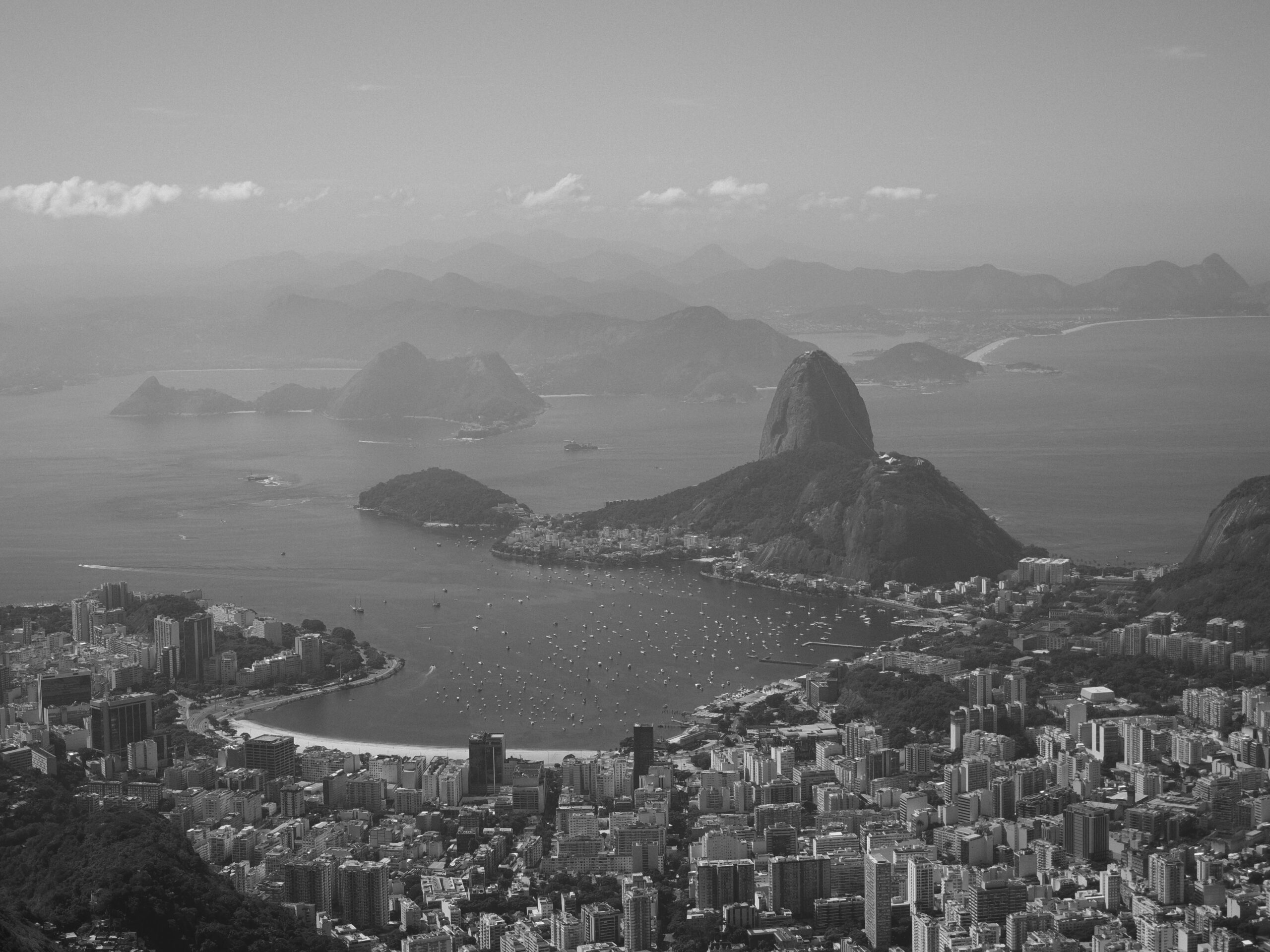
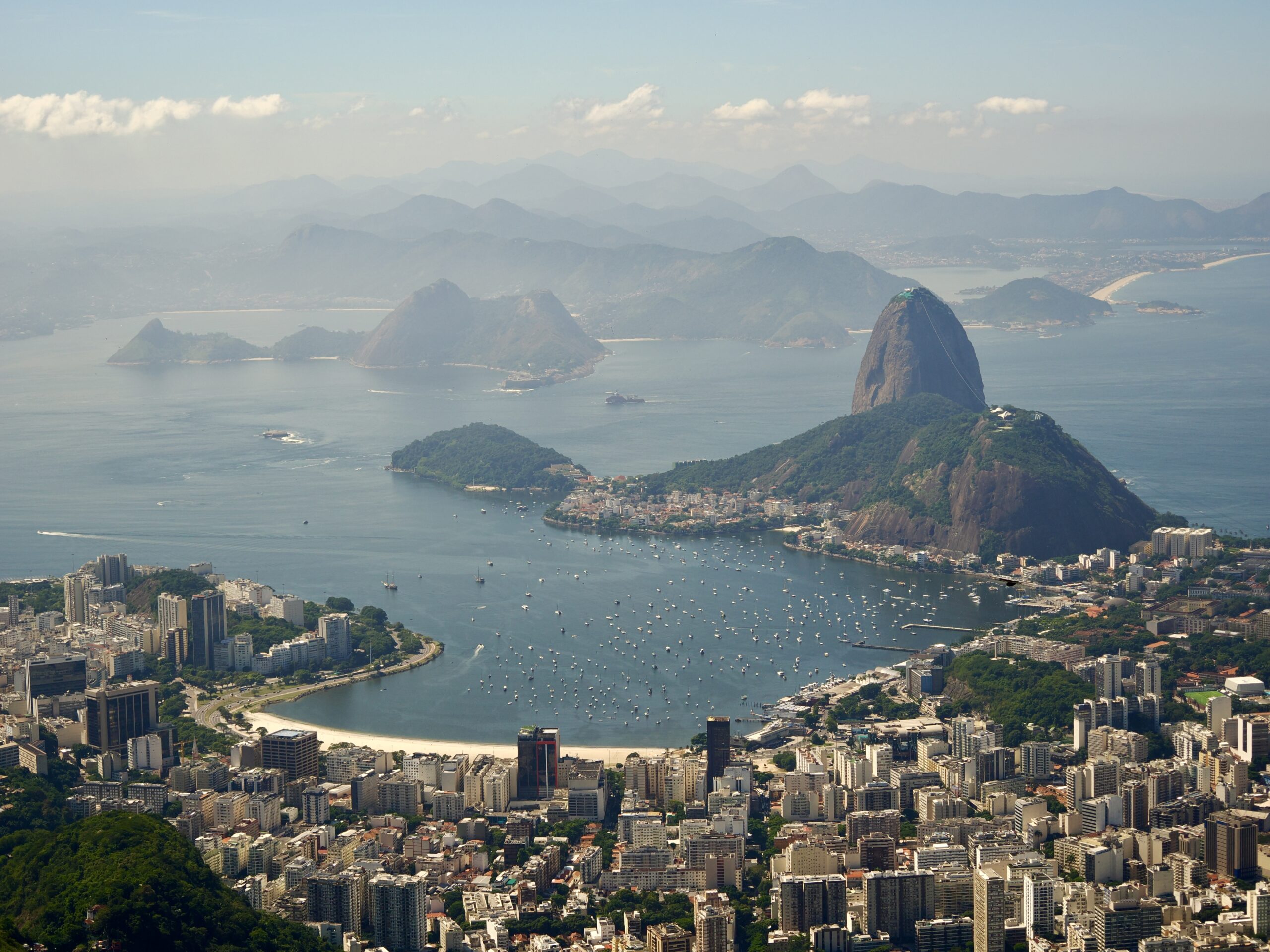
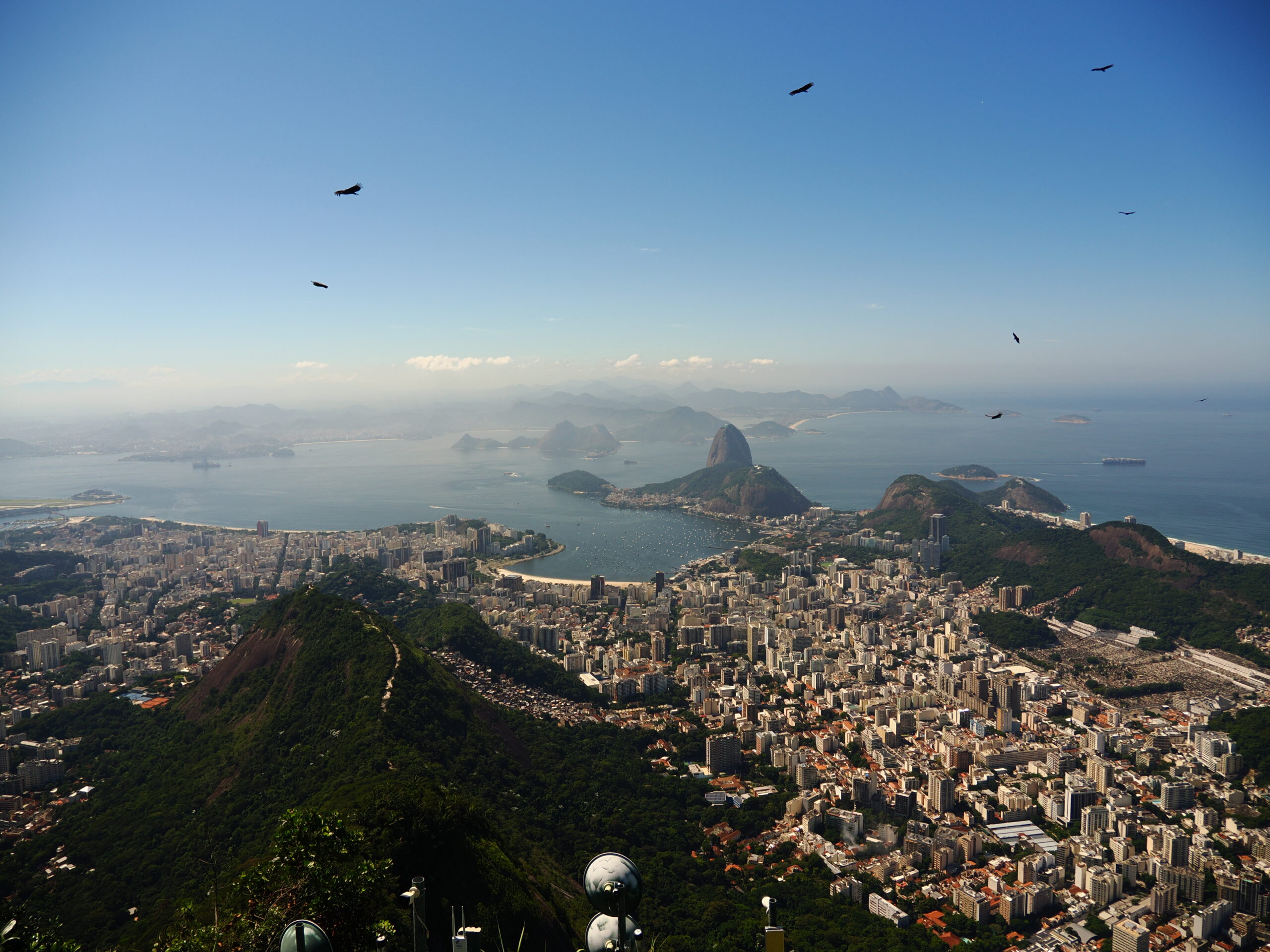
  • Rio de Janeiro. View from Cristo Redentor
    May 1, 2026
  • how to content

    sometimes the itch to update this blog. then time spent on cleaning here and there, updating, fixing the server, never ending list of non-content tasks.

    I’d like to publish my photography somewhere and I’m fed up with platforms. Working for free to billionaires is so dumb. I like the Flickr idea but I do not have eighty bucks to burn each year (on top of all those subscriptions).

    I’d like to create photography essays in video. and a video about my OM-3 that I like so much. I’d like to photo dump here all the pictures that I take and like.

    Wishing is not doing. At least wishing public here is kinda doing some content.

    April 28, 2026
  • in a not so cold winter

    server is down
    birds still singing
    another sip of coffee
    July 4, 2025
  • Trying to buy creatine

    I started three e-commerce brands in 2019, 2021 and 2022 from zero to, somewhat, an exit this year.

    I am not a frequent online buyer. First, I never had much money to spare in my last, so it’s an habit to not buy much stuff. Second, I have a tendency to overthink my choices. I feel like I need to make the perfect decision, so often I quit the process without making a purchase.

    But in the few times I do search for a product online I end up getting really frustrated by how poorly some websites are made.

    The following it’s not a comprehensive and it’s in no particular order. It’s a list of things I noticed when trying to buy from one of the most competitive industries in the internet: supplements.

    The brand names in this industry are just….

    SKULL. BRUTHAL. DARK. EXTREME. OPTIMUM. VENOM. CANIBAL. HARDCORE. DEMONS. IRIDIUM. TITANIUM.

    All of above are from real brands in Brazil.

    I’m 100% sure that I’m an alien customer. Almost all the brands use names and graphics in the opposite of what I’d expect for a product I’m going to ingest.

    I would love to see better wording and images related to healthy, quality, trust, certification and so on.

    I expect to know where are you from

    Many websites I visited in my search for creatine don’t tell me from where they are. Most of them lack a “About Us” page, phone number, or even basic information like the city they operate from.

    Trust. Trust. Trust. How many years are you in the market?

    Most of the brands rely on fake social proof. Lot’s of influencers, who probably received money or free products, try to convince me the product is good. I can’t trust them!

    Why not leverage other trust signals like the time in the market? Two of the companies I checked have been around 20 and 15 years, but this information is buried in the “About Us” page. It should be in the most prime location of the website.

    Specialists in the best most accurate nothing language

    “Our suppliers are the best in the market”… says who?

    “The most pure creatine”… can you show me an independent test lab?

    “Most advanced creatine technology”… yeah? Why?

    It’s so full of empty words that at the end of this session I was shocked I didn’t came across the “quantum” wording – or maybe soon we see a “AI Enhanced Creatine”?

    To make things worse

    A independent analysis from ABENUTRI – Brazilian Nutritional Association – find out that 10 creatine brands sold creatine that didn’t contain any creatine!

    And dozens of other brands didn’t have at least 80% creatine in their creatine!

    Out of 88 different brands, 23% were reproved. It’s also important to note that 7 brands couldn’t appear in the analysis due to legal action taken by their owners against ABENUTRI.

    In the end I got one

    Suffering from choice fadigue, I narrowed down my options to those on ABENUTRI list. The first one that had an acceptable delivery time and cost, and disclosed where they are and how long they’ve been in the market became my choice.

    I can understand why people prefer buying in marketplaces. Much of the BS is cut down and you get the benefit of comparing brands.

    But whenever possible, I’ll continue buying directly from company website. As a seller in several marketplaces myself, I know how much power these behemoths abuse. But that is a post for another day.

    February 19, 2025
  • If there’s consistency here, why not there?

    How did I manage to maintain my gym frequency and even increase it?

    My teenage years and early adulthood didn’t involve much physical activity. There was physical education at school, and at certain times, a weekly soccer game with friends, and that’s basically it. At some point, I decided to start swimming, and I took to it quite well. For a few years, I kept at it twice a week. Circumstances changed, and I quit swimming until I was able to return two years later. Since then, every week I’ve been in the pool. A little over a year ago, I took another step: weight training three times a week. I had tried in the past and had never lasted more than six months. But this time it seems to have “clicked.” I’m feeling progress and enjoying my routine of exercising five times a week.
    So why am I telling this story? It’s part of my investigation into consistency (or the lack thereof).
    The most critical point of what I perceive as a lack of professional or creative progress is the lack of consistency. As analyzed previously, it stems from a restless pursuit of new visions, which in turn arise from new professional and creative passions. A monkey jumping from branch to branch who never really knows one tree.
    Translating this into the context of exercise, this creative-professional restlessness would make me the kind of person who tries every new sport that pops up: Beach Tennis, Stand-up Paddle, Padel, Pickle Ball. Yet that’s not what happens. Why?
    Or better yet: why does it work so well with swimming and weight training, and how can I translate that into the professional and creative realms? Maybe it’s because there’s a sunk cost at the gym: I pay every month, whether I use it or not, so I need to make it worthwhile. But it can’t be just that, because I could simply cancel at any time. Another point favoring continuity is the perception of progress. I feel my body improving, experiencing less pain, gaining more strength, and this generates emotional momentum.
    So it could be that paying and seeing progress are key factors. If so, I need to bring this combination into my professional and creative life. Paying is straightforward: renting a new server, paying for a course, or investing money in new products stocks. But without progress, it’s completely useless, or worse, it becomes unprogress. In professional terms, progress might mean getting the first user for a project, then the first paying customer. In creative terms, it might mean noticing weekly progress in content production, finishing a book, and eventually gaining readers.
    The key is progress. I conclude that consistency derives from progress. Progress is what generates the emotional fuel to move forward day by day. It’s like a walk that only makes sense if you see movement ahead of you. After all, why take a second or third step if the first didn’t yield any noticeable movement? Even better if the movement is taking you toward your desired destination.
    So the real question is: how do we achieve progress? How do we move forward in small steps so that one advance encourages the next? How do we “fill the emotional tank” with progress?
    The starting point is to create space for emotional clarity. To get there, I imagine a few possibilities.
    Meditating is one possible solution that always comes to mind. Meditation creates space. Also, using less social media, and reducing the consumption of short-form content are actions that open up more mental space as well. Combined, these two actions can help me recognize the progress that might be slipping by unnoticed because there’s no room for it now. And it becomes clear that this recognition is what fuels the emotional engine.
    That’s it: creating space for the emotion of progress. What follows is consistency, more progress, more fuel, more progress. The positive feedback loop I’ve been looking for.

    December 12, 2024
  • Se aqui há consistência, por que não acolá?

    Como eu consegui manter a frequência na academia e inclusive aumentar? Minha adolescência e início da vida adulta não foram de muita atividade física. Havia a educação física na escola, o futebol semanal com os amigos em algumas épocas e é isso. Em um momento decidi começar a nadar e me dei bem com essa atividade, mantive por alguns anos, duas vezes por semana. As circunstâncias de vida mudaram um pouco e abandonei a natação até conseguir voltar depois de dois anos. Desde então toda semana estou na piscina. Há pouco mais de um ano dei mais um passo: musculação três vezes por semana. Já havia tentado no passado e não tinha durado mais de seis meses. Mas dessa vez parece que “clicou”. Estou sentindo progresso e estou gostando da minha rotina de exercícios cinco vezes na semana. Tá, mas por que estou contando isso? É parte da minha investigação sobre a consistência (ou a falta de). O ponto mais crítico da minha percebida falta de progresso profissional ou criativo é a falta de consistência. Derivada – como analisado no texto anterior – de uma ânsia em perseguir novas visões, que por sua vez brotam de novas paixões profissionais e criativas. Macaco pulando de galho em galho não conhece bem nenhuma árvore. Se traduzida para o contexto dos exercícios, essa ânsia do criativo-profissional me faria ser aquele tipo de pessoa que experimenta qualquer novo esporte que aparece. Por exemplo: Beach Tennis, Stand-up Paddle, Padel e Pickle Ball. No entanto isso não acontece. Por quê? Ou melhor: por que funciona tão bem com a natação e a musculação e como eu posso traduzir para a seara profissional e criativa? Talvez seja porque há um custo afundado na academia: todos os meses eu pago, se usar ou não, então preciso fazer valer. Por outro lado não deve ser só isso, já que bastaria cancelar. Outro ponto a favor da continuidade é a percepção de progresso, eu sinto meu corpo melhor, sinto menos dores e mais força nos movimentos, isso gera uma força emocional. Portanto, pode ser por pagar e ver progresso. E se for isso, preciso levar essa combinação para a parte profissional e criativa. O pagar é muito simples: colocar um servidor no ar, pagar um curso ou afundar dinheiro em estoques de novos produtos. Mas sem o progresso é completamente inútil, até pior, um desprogresso. No profissional o progresso seria conseguir o primeiro usuário de um projeto, depois o primeiro cliente pagante. No criativo, conseguir notar o avanço semanal na produção de conteúdo, finalizar um livro, e por fim ter leitores. A chave é o progresso. Concluo que a consistência é derivada do progresso. Esse progresso é o que gera combustível emocional para avançar no dia a dia. É como uma caminhada que só tem graça porque existe um movimento na frente dos olhos, afinal, por que daria um segundo ou terceiro passos se o primeiro não teve nenhum efeito de movimento? Ainda melhor se o movimento é em direção ao lugar onde se quer chegar. A pergunta então é outra: como ter progresso? Como progredir em pequenos passos para que um avanço puxe o próximo? Como “encher o tanque” emocional do progresso?  O ponto de partida é abrir espaço para clareza emocional. Para chegar lá imagino algumas possibilidades. Meditar é uma possível solução que sempre volta a tona. Meditação abre espaço. Também usar menos o celular e redes sociais, reduzir o consumo de conteúdo curto, é uma ação que também abre mais espaço mental. Combinadas essas duas ações podem me levar a reconhecer progressos que talvez estejam escapando hoje pois não há espaço para eles. E fica claro que esse reconhecimento é o que abastece o emocional. É isso: abrir espaço para a emoção do progresso. O que seguirá é a consistência, mais progresso, mais combustível, mais progresso. O feedback loop positivo que eu tanto procuro.
    December 9, 2024
1 2 3 … 11
Next Page→